

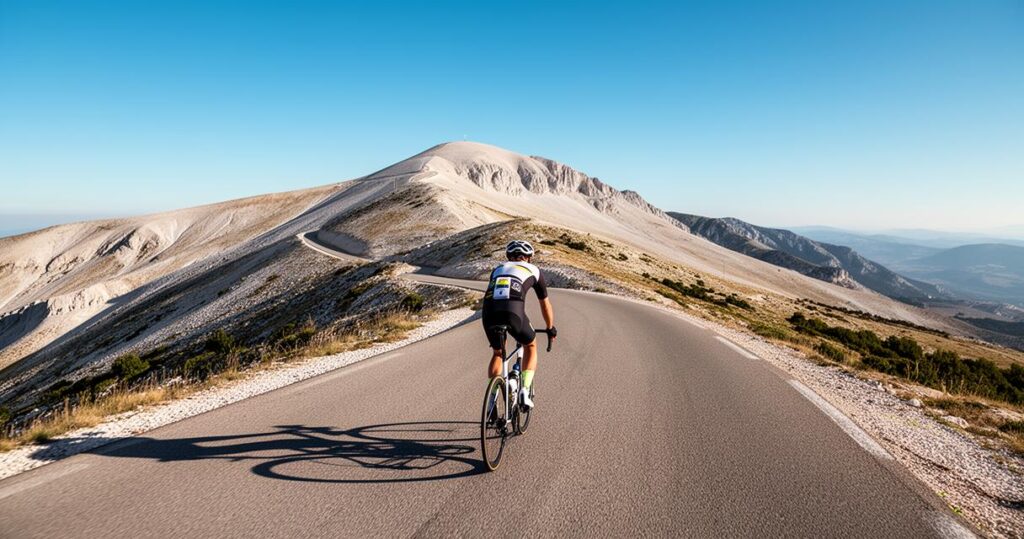
Mont Ventoux stands as one of Europe's most iconic cycling challenges, a towering presence in the heart of Provence that has tested the mettle of countless Tour de France riders and amateur enthusiasts alike. Rising to 1,912 metres, this legendary peak is affectionately known as both the beast of Provence and the Bald Mountain, its barren lunar-like summit visible for miles around. For beginners considering this formidable ascent, the prospect may seem daunting, yet with proper preparation, adequate training, and the right mindset, conquering Mont Ventoux is an achievable goal that offers not only a physical challenge but also an unforgettable emotional experience amid the stunning landscapes of southern France.
Understanding mont ventoux: what makes this climb special for novice cyclists
The allure of Mont Ventoux extends far beyond its appearance in the Tour de France, though that prestigious connection certainly adds to its mystique. What truly distinguishes this mountain is its unique climatic variation, which creates an environment unlike any other cycling challenge in the region. At the base, cyclists experience the warm Mediterranean climate characteristic of Provence, with its lavender fields and sun-drenched villages. As the ascent progresses, the temperature shifts to a more temperate mid-mountain atmosphere before finally reaching the high-mountain climate at the summit, where conditions can be dramatically different from those at the start. This transition makes proper clothing choices essential, as riders must anticipate temperature drops and potentially fierce winds that have given the mountain its fearsome reputation. The exposed nature of the upper reaches means that weather can change rapidly, transforming a pleasant ride into a battle against the elements.
The Three Routes to the Summit: Choosing Your First Ascent
Aspiring climbers of Mont Ventoux benefit from having three distinct cycling routes to choose from, each offering its own character and level of difficulty. The route from Bédoin stretches 21.8 kilometres with an average gradient of 7.43 percent and is widely regarded as the most challenging approach, featuring relentless inclines that test even experienced riders. The Malaucène route measures 21.5 kilometres and provides a somewhat more sheltered experience with a marked bike lane, making it a popular choice for those seeking a slightly less exposed climb whilst still facing substantial elevation gain. Finally, the Sault route extends 26 kilometres and is generally considered the most accessible for beginners, featuring a more gradual gradient that allows riders to build momentum and confidence throughout the ascent. Many first-time challengers opt for the Malaucène ascent combined with a descent via Bédoin, creating a comprehensive tour of the mountain's various faces and allowing cyclists to experience different aspects of this remarkable landscape. The village of Bédoin itself serves as an excellent base for the adventure, located approximately 35 kilometres from Avignon and offering amenities such as the welcoming Le Pastoral campsite where riders can rest before and after their efforts.
Weather Patterns and Seasonal Considerations for Your Climbing Attempt
Timing your ascent properly requires careful attention to seasonal weather patterns in Provence. The Mediterranean influence ensures warm conditions at lower elevations for much of the year, but the summit remains subject to significantly cooler temperatures and strong winds regardless of the season. Spring and early autumn typically offer the most favourable conditions for beginners, with moderate temperatures and lower chances of the intense heat that can make summer climbs particularly gruelling. However, even during these optimal periods, riders must prepare for variability. Morning starts are generally advisable to avoid afternoon heat and to take advantage of calmer wind conditions that often prevail earlier in the day. Checking detailed weather forecasts for multiple elevation points on the mountain is essential, as conditions at the base can be deceptively pleasant whilst the summit experiences harsh winds and cold temperatures. This attention to meteorological detail forms a crucial part of preparation, helping cyclists make informed decisions about when to attempt their climb and what equipment to carry for changing conditions.
Physical and Mental Training Programme for First-Time Ventoux Challengers
Successfully reaching the summit of Mont Ventoux requires more than simple enthusiasm; it demands a structured approach to building both physical capacity and mental resilience. Beginners should recognise that whilst the challenge is achievable, it should not be underestimated. The sustained effort required over the course of several hours places significant demands on cardiovascular endurance, muscular strength, and psychological determination. A comprehensive training programme addresses all these elements systematically, gradually building the specific fitness required for tackling extended climbs at altitude. The preparation period also serves as an opportunity to become comfortable with the rhythm of long ascents, learning to manage effort levels and to recognise personal limits. Many amateur cyclists have demonstrated that with dedicated preparation, Mont Ventoux is well within reach, transforming from an intimidating prospect into an extraordinary personal achievement.
Building your endurance base: a 12-week training schedule
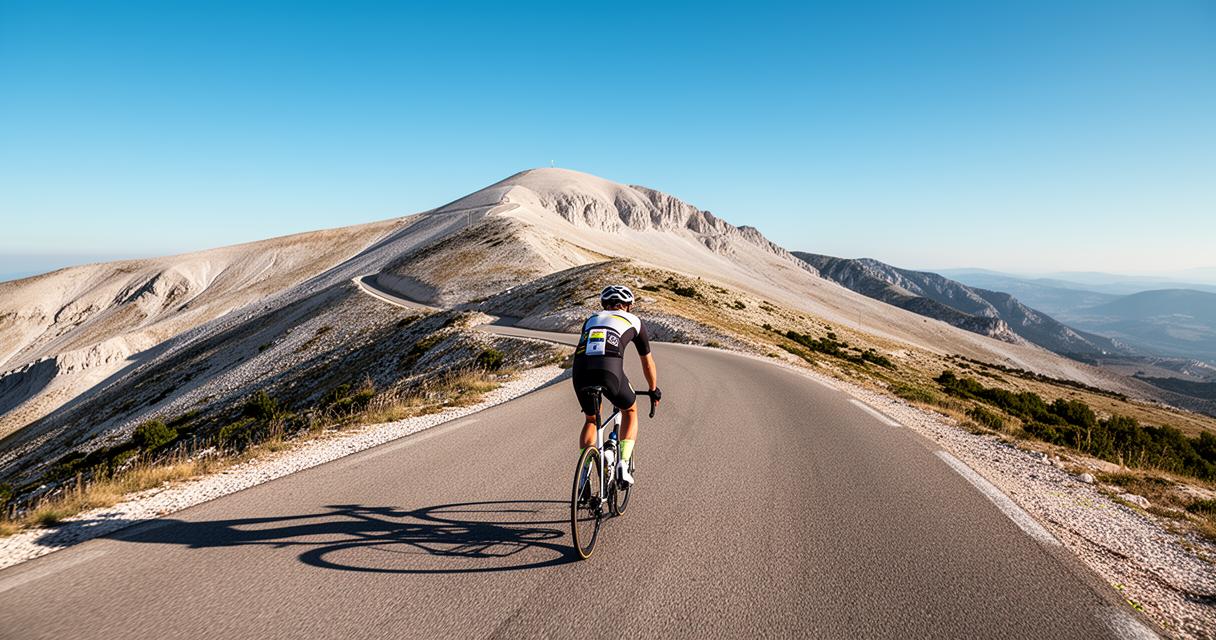
A three-month preparation period provides sufficient time for most beginners to develop the endurance foundation necessary for Mont Ventoux. The initial phase should focus on establishing consistent riding habits, gradually increasing weekly mileage without excessive intensity. Starting with rides of one to two hours at a comfortable pace allows the body to adapt to sustained effort whilst building aerobic capacity. As weeks progress, the duration of longer weekend rides should extend systematically, eventually reaching three to four hours to simulate the time on the bike required for the actual ascent. Incorporating variety prevents monotony and develops different energy systems, with some rides maintained at steady conversational pace whilst others include moderate tempo sections that elevate heart rate without reaching exhausting intensity. Rest and recovery remain equally important components of the schedule, allowing the body to adapt and strengthen between training sessions. By the final weeks of preparation, cyclists should feel comfortable spending extended periods in the saddle, managing energy efficiently, and maintaining focus throughout longer efforts. This progressive approach reduces injury risk whilst building confidence in one's ability to sustain the effort required for the mountain's lengthy gradients.
Hill Repetitions and Gradient Practice: Preparing Your Legs for the Giant
Whilst general endurance forms the foundation, specific hill training proves essential for preparing muscles and technique for Mont Ventoux's sustained gradients. Incorporating regular hill repetitions into the training schedule develops the leg strength and climbing efficiency necessary for prolonged ascents. Finding local climbs that allow for intervals of five to ten minutes at moderate intensity provides excellent specific preparation, teaching the body to process lactate efficiently and training muscles to sustain power output on inclines. These sessions need not be excessively difficult; the goal is adaptation rather than exhaustion. Practising different climbing techniques, including seated climbing for efficiency and occasional standing efforts to engage different muscle groups, prepares riders for the varied demands of the actual ascent. As training progresses, longer climbs of twenty to thirty minutes help simulate the continuous effort required on Mont Ventoux, allowing cyclists to develop pacing strategies and to recognise sustainable effort levels. Attention to cadence during these sessions proves valuable, as maintaining a reasonably high pedalling rate even on steep sections helps preserve leg freshness over extended climbs. By consistently including gradient-specific work throughout the training period, beginners arrive at Provence with legs conditioned for the particular challenges of the mountain.
Essential Equipment and Practical Tips for a Successful Summit Bid
Technical preparation complements physical training in determining the success and enjoyment of a Mont Ventoux attempt. Selecting appropriate equipment and developing sound strategies for nutrition and pacing can transform a potential ordeal into a manageable and rewarding experience. The mountain's unique demands require careful consideration of gear choices, particularly regarding gearing ratios that allow sustainable pedalling rates on steep gradients. Equally important are the practical aspects of fuelling the effort and managing energy throughout the climb, as depletion of either physical or mental resources can derail even the best-prepared cyclist well before reaching the summit.
Gearing Ratios and Bicycle Setup for Conquering Steep Gradients
The sustained gradients of Mont Ventoux make appropriate gearing absolutely crucial, particularly for riders new to major climbs. Compact chainsets paired with wide-range cassettes provide the low gears necessary to maintain comfortable cadence on the steepest sections without exhausting leg muscles prematurely. A compact crankset featuring 34 teeth on the small chainring combined with a cassette offering at least a 28-tooth or preferably 30-tooth largest sprocket gives beginners the mechanical advantage needed to keep pedalling when gradients reach their steepest. This setup allows for cadences above 60 revolutions per minute even on the most challenging sections, preserving muscle freshness and reducing cardiovascular strain. Beyond gearing, ensuring the bicycle is mechanically sound proves essential, with particular attention to brake condition given the long descents that follow any successful ascent. Tyre choice represents another consideration, with slightly wider tyres offering improved comfort over the varied road surfaces encountered during the climb. Weight-conscious cyclists might be tempted to strip unnecessary items from the bike, but carrying adequate supplies for weather changes and mechanical issues takes precedence over marginal weight savings. A well-prepared bicycle instils confidence and removes potential sources of anxiety, allowing full focus on the physical challenge ahead.
Nutrition strategy and pacing techniques during your ascent
Managing energy intake and expenditure throughout the climb separates successful summit attempts from disappointing struggles partway up the mountain. Beginning the ascent properly fuelled with a substantial breakfast consumed two to three hours beforehand provides the initial energy reserves needed for the effort ahead. During the climb itself, regular consumption of easily digestible carbohydrates maintains blood sugar levels and delays fatigue, with many experienced climbers consuming small amounts every fifteen to twenty minutes rather than waiting until hunger signals depletion. Energy bars, gels, and easily portable foods such as bananas or rice cakes all serve this purpose effectively. Hydration demands equal attention, particularly given Provence's warm climate at lower elevations, with regular sips preventing the performance-sapping effects of dehydration. Pacing represents perhaps the most critical skill for first-time Ventoux climbers, as starting too enthusiastically almost inevitably leads to suffering in the upper reaches of the climb. Adopting a conservative approach in the early kilometres, maintaining effort well within comfortable limits even when feeling strong, preserves resources for the later sections where the combination of accumulated fatigue and continued gradient demands reserves of determination. Taking brief rest breaks to recover breathing and enjoy the increasingly spectacular views proves entirely acceptable and can actually improve overall performance by preventing excessive accumulation of fatigue. Many amateur cyclists report that the climb takes approximately four hours including breaks, with total round trips extending to six hours when accounting for the descent and stops. The cycling community on the mountain typically offers encouragement and camaraderie, with fellow riders sharing the challenge and often providing motivational words during difficult moments. This supportive atmosphere contributes to making Mont Ventoux an achievable goal for beginners, transforming what might otherwise feel like an isolating struggle into a shared adventure. Upon reaching the summit, the sense of achievement and the emotional response to having conquered this legendary peak create memories that endure far beyond the temporary discomfort of the climb itself. Many cyclists reflect afterwards on the profound satisfaction of the accomplishment, already contemplating better preparation for future attempts and perhaps exploring the other routes to experience different facets of the mountain. Celebrating with a well-earned meal in one of the charming villages that surround Mont Ventoux provides the perfect conclusion to this remarkable cycling challenge, a tangible reward for dedication, preparation, and perseverance.