

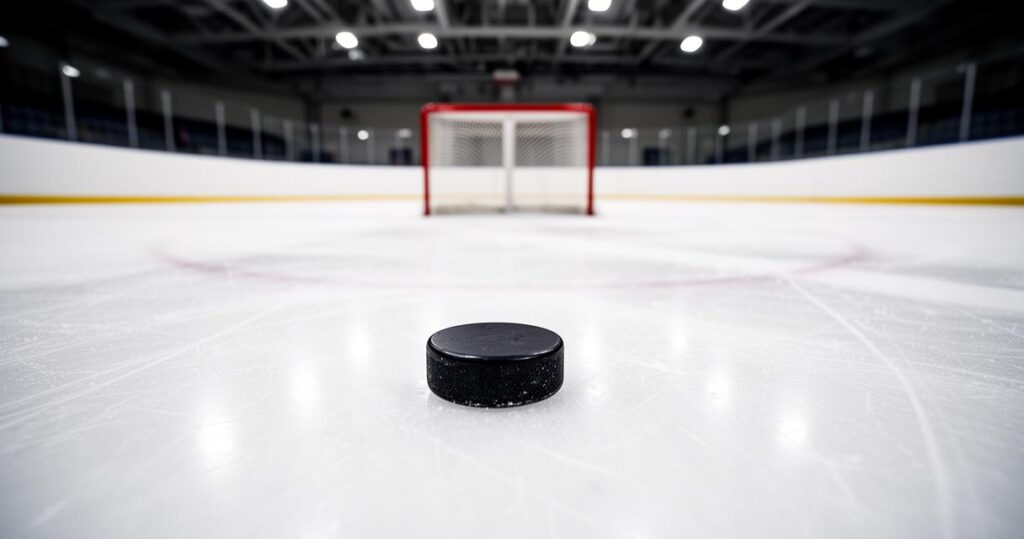
Stepping onto the ice for the first time can feel both exhilarating and daunting. Ice hockey combines speed, skill, and strategy in a way few other sports can match, and understanding the core principles is the best way to appreciate and enjoy the game. Whether you are lacing up your skates for the first time or simply keen to follow the action from the stands, grasping the essential rules and structure will transform your experience. This guide walks you through everything a newcomer needs to know, from how the match unfolds to the roles players perform and the regulations that keep the game fair and competitive.
Understanding the Fundamentals: How Ice Hockey is Played
Ice hockey is a fast-paced team sport where the primary objective is straightforward yet thrilling: score more goals than your opponent. The game unfolds on a sheet of ice where players glide at impressive speeds, manoeuvre a small rubber disc known as the puck, and work together to outwit the opposition. Each team fields six players at any given moment, including a goalie who defends the net. The combination of rapid skating, precise passing, and tactical positioning makes ice hockey one of the most dynamic sports in the world. Matches are designed to maintain a relentless tempo, with players rotating frequently to sustain high energy levels throughout the contest.
The Structure of a Match: Periods, Time, and Scoring
A standard ice hockey game is divided into three periods, each lasting twenty minutes of actual playing time. Unlike some other sports where the clock runs continuously, the timer stops during play stoppages such as penalties, injuries, or when the puck leaves the playing area. This means that although each period is scheduled for twenty minutes, the real-time duration of a match typically extends to around two and a half hours when accounting for breaks and interruptions. Between each period, teams have the opportunity to regroup, adjust tactics, and rest before returning to the ice.
Scoring in ice hockey is achieved by propelling the puck into the opposing team's net, which measures four feet tall and six feet wide. Each successful goal counts as one point, and the team with the most points at the end of regulation time wins the match. If the score remains level after three periods, the game proceeds to overtime. In regular season contests, overtime is often a sudden-death format where the first team to score claims victory. Should neither team find the net during this additional period, a penalty shootout may determine the winner, adding an extra layer of drama and tension.
The rink layout: zones, lines, and their purpose
The ice hockey rink is meticulously divided into distinct zones that serve critical roles in gameplay and rule enforcement. The entire surface is segmented into three main areas: the defending zone, the neutral zone, and the attacking zone. These divisions are marked by blue lines that stretch across the width of the rink. Understanding these zones is essential because many of the sport's key rules, such as offside and icing, are directly tied to player positioning relative to these lines.
The defending zone is the area nearest to a team's own goal, where the goalkeeper and defenders work to repel attacks and clear the puck. The neutral zone lies in the middle and serves as a transitional space where teams regroup and launch offensive manoeuvres. Finally, the attacking zone is the area surrounding the opponent's net, where forwards focus their efforts on creating scoring opportunities. Additional markings include red lines and designated face-off spots, which are used to restart play after stoppages. These lines and circles are not merely decorative; they guide the flow of the game and help officials enforce the rules with precision.
Key Player Positions and Their Roles on the Ice
Ice hockey is a sport where every player has a clearly defined role, and success depends on seamless coordination between teammates. A typical roster includes twenty skaters and two goalies, though only six players from each team are on the ice at any one time. The positions are broadly categorised into forwards, defenders, and the netminder. Each position demands a unique set of skills and responsibilities, and understanding these roles is fundamental for anyone looking to follow or participate in the sport.
Forwards and Defenders: Offensive and Defensive Responsibilities
Forwards are the attacking spearhead of any ice hockey team. This group comprises three players: the centre, the left wing, and the right wing. The centre is often considered the playmaker, responsible for face-offs and orchestrating offensive plays. Wingers support the centre by creating width in the attack, exploiting gaps in the opposition defence, and taking shots on goal. Forwards spend most of their time in the attacking and neutral zones, using their speed and agility to put pressure on the opposing goalie and defenders.
Defenders, meanwhile, are tasked with protecting their own net and thwarting the opposition's offensive efforts. Typically, two defenders are on the ice at any given time: the left defence and the right defence. These players must possess strong skating ability, excellent positional awareness, and the physical presence to challenge opposing forwards. While their primary duty is defensive, modern defenders are also expected to contribute to offensive plays by joining rushes, distributing passes, and even taking shots from the blue line. The balance between offensive ambition and defensive solidity is crucial, and effective defenders can shift the momentum of a match with well-timed interventions.
The Goalkeeper: Protecting the Net and Stopping Goals
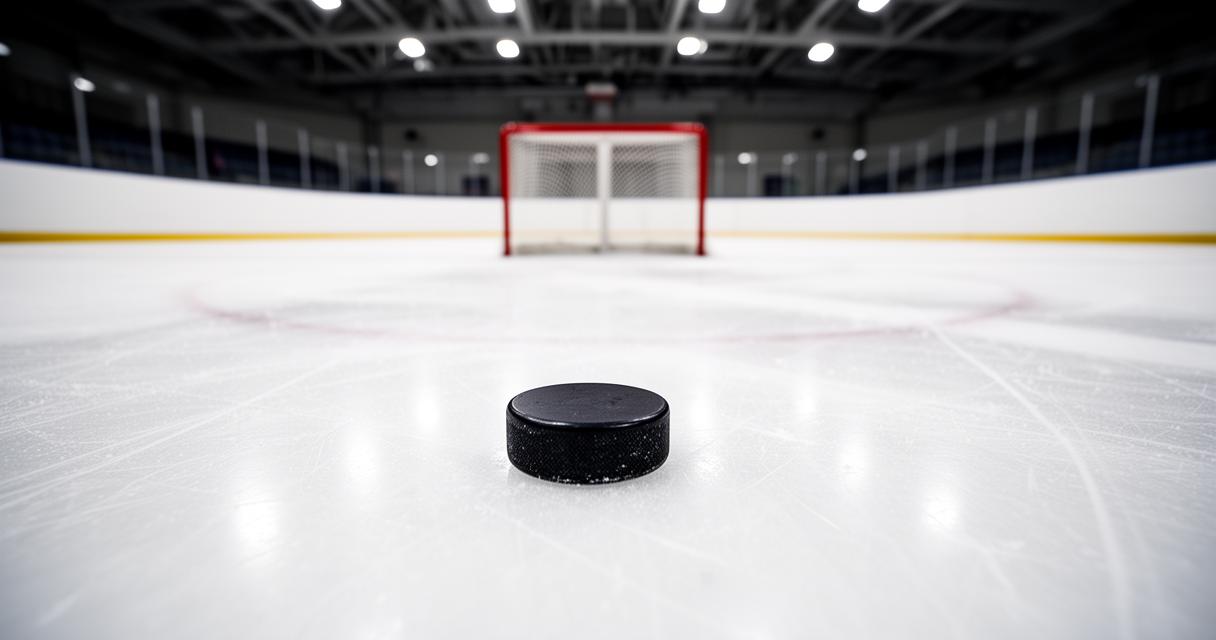
The goalkeeper, often referred to as the netminder or goalie, occupies the most specialised position in ice hockey. Stationed directly in front of the goal, the goalie's sole responsibility is to prevent the puck from crossing the goal line. This role requires exceptional reflexes, concentration, and bravery, as goalies face shots that can exceed ninety miles per hour. To protect themselves, goalies wear extensive protective gear, including larger pads, a chest protector, a specially designed mask, and a catching glove.
Unlike other players, the goalie does not leave their designated area except in rare circumstances. Their positioning, ability to read the play, and quick reactions are vital to a team's success. A strong performance from the netminder can compensate for defensive lapses and provide the foundation for victory. Conversely, even the most dominant offensive team can struggle if their goalie is off form. The mental fortitude required to excel in this position cannot be overstated, as every mistake is often scrutinised and can directly impact the outcome of the game.
Essential rules every beginner must know
Grasping the fundamental rules of ice hockey is essential for anyone hoping to understand the sport, whether as a player or a spectator. While the game may appear chaotic to the untrained eye, it is governed by a comprehensive set of regulations designed to ensure fair play and safety. Learning these rules not only enhances enjoyment but also helps newcomers appreciate the tactical depth and strategic nuance that define high-level ice hockey.
Face-offs and Possession: Starting and Restarting Play
A face-off is the method used to begin play at the start of each period and to restart the game after stoppages. During a face-off, two opposing players stand opposite each other at a designated spot on the ice, and the official drops the puck between them. The objective is to gain possession of the puck and initiate an attacking or defensive sequence. Face-offs can occur at various locations depending on the reason for the stoppage, and winning these contests is crucial for controlling the tempo and direction of play.
Teams are permitted unlimited substitutions during the game, and players typically rotate in short shifts to maintain high energy levels. These shifts often last less than a minute, reflecting the intense physical demands of the sport. Coaches strategically manage line changes to ensure fresh legs are always on the ice, maximising speed and effectiveness. Understanding how face-offs and substitutions work provides insight into the rhythm of the game and the importance of depth in a team's roster.
Penalties and infractions: what happens when rules are broken
Penalties are an integral part of ice hockey and serve to maintain order and protect player safety. When a player commits an infraction, they are sent to the penalty box for a specified duration, during which their team must play short-handed. The most common penalty is a minor penalty, which lasts for two minutes. During this time, the offending team cannot replace the penalised player, giving the opposing team a numerical advantage known as a power play. Common minor penalties include tripping, hooking, slashing, holding, and interference.
More serious offences result in a major penalty, which carries a five-minute duration. Major penalties are often called for actions such as fighting or dangerous play that risks injury. In some cases, if an infraction causes significant harm, the penalty can be extended, and the player may be ejected from the game. Body checking, a defensive technique used to disrupt an opponent's control of the puck, is legal only when the opponent has possession. Hitting a player without the puck constitutes interference, and targeting the head or checking from behind are strictly prohibited due to the high risk of injury.
Two additional rules that frequently confuse beginners are offside and icing. Offside occurs when an attacking player enters the offensive zone before the puck, disrupting the flow of play and resulting in a stoppage and face-off in the neutral zone. Icing is called when a player shoots the puck from behind the centre red line all the way past the opposing goal line without it being touched. Icing results in a face-off in the offending team's defensive zone and is designed to prevent teams from simply clearing the puck to waste time. These rules ensure that the game remains fluid, competitive, and engaging for everyone involved.
Ice hockey is a sport rich in tradition, skill, and excitement. For new players and fans alike, understanding the basic rules and essentials opens the door to a deeper appreciation of the game. From the structure of periods and the layout of the rink to the distinct roles of forwards, defenders, and goalies, every element contributes to the fast-paced spectacle that captivates audiences around the world. With a solid grasp of how matches are played, the responsibilities of each position, and the regulations that govern conduct on the ice, you are well-equipped to enjoy and participate in this thrilling team sport.