

The landscape of health and fitness has undergone a dramatic transformation in recent years, driven by the rapid advancement of wearable technology and smart devices. What once began with simple pedometers and basic heart rate monitors has evolved into a sophisticated ecosystem of interconnected gadgets capable of tracking virtually every aspect of our physical well-being. These innovations are not merely about counting steps or measuring calories; they represent a fundamental shift in how individuals engage with their health, offering real-time data, personalised training, and remote monitoring capabilities that were once the preserve of professional athletes and medical professionals. As the global wearable technology industry surges towards an anticipated valuation of over one hundred and twenty-eight billion dollars, the integration of artificial intelligence, the Internet of Things, and biometric sensors is reshaping the very fabric of wellness technology.
Revolutionary wearable technology transforming personal fitness tracking
Fitness wearables have become an indispensable companion for anyone serious about maintaining an active lifestyle. These devices, ranging from sleek smartwatches to discreet fitness trackers, have moved far beyond their original function of counting steps. Today, they serve as comprehensive health hubs, capable of monitoring heart rate variability, sleep patterns, stress levels, and even hydration status. The evolution from the first wireless heart rate monitor introduced by Polar in the late twentieth century to contemporary devices such as the Apple Watch, Whoop, and Oura Ring illustrates how far the technology has progressed. These modern wearables leverage biometric sensors to deliver insights that were previously only accessible through clinical testing, empowering users to take proactive control of their health and wellness.
Advanced smartwatches and fitness trackers with integrated voice assistants
One of the most significant developments in recent years has been the integration of voice assistants into fitness wearables. Devices equipped with Alexa or similar platforms enable users to remain connected even during intense workout sessions, allowing them to manage calls, send messages, or adjust their training routines without interrupting their flow. This seamless connectivity enhances the user experience by ensuring that fitness tracking does not exist in isolation but is part of a broader digital ecosystem. The inclusion of mobile applications further amplifies this connectivity, granting users easy access to their personal health data and enabling them to share vital information with healthcare providers or personal trainers. This interconnected approach ensures that fitness tracking is not merely a passive activity but an interactive process that encourages user engagement and continuous improvement.
Real-time biometric monitoring: heart rate, calories, and performance metrics
The power of modern fitness wearables lies in their ability to provide real-time data on a multitude of health parameters. Heart rate monitoring, once a feature limited to medical settings, is now standard across most fitness trackers, offering users immediate feedback on their cardiovascular performance. Beyond heart rate, these devices can track oxygen levels, detect irregularities, and even provide alerts when unusual patterns are detected. Fitness wearables also offer detailed analyses of movement, enabling users to understand their calorie expenditure and sleep quality with remarkable precision. The integration of artificial intelligence into these devices has taken their capabilities even further, with AI algorithms analysing the collected data to customise workout plans, provide actionable feedback, and predict future health trends. This level of personalised training was once the domain of elite athletes, but is now accessible to anyone with a smart device, democratising health and wellness in unprecedented ways.
Cutting-edge connected devices enhancing home and sports training efficiency
The proliferation of tele-exercise and smart home integration has revolutionised the way individuals approach fitness, particularly in the wake of changing habits driven by the pandemic. Connected devices now enable remote monitoring and personalised training, providing flexibility and convenience that traditional gym environments cannot match. The Internet of Things has facilitated the creation of a network of smart devices that communicate with one another, creating an immersive and efficient training environment within the home. From AI-guided stationary bikes that offer a complete full-body workout in just five minutes to devices that monitor and adjust training intensity in real time, the possibilities are virtually limitless. These innovations are not only making fitness more accessible but are also enhancing the overall effectiveness of training routines, allowing individuals to achieve their health goals with greater precision and efficiency.
Augmented reality glasses and immersive workout experiences
Emerging technologies such as virtual reality and augmented reality are pushing the boundaries of what is possible in fitness training. Augmented reality glasses, for instance, can overlay real-time performance metrics onto the user's field of vision, creating an immersive workout experience that blends the physical and digital worlds. This technology enhances user engagement by transforming mundane exercise routines into interactive and motivating experiences. Virtual reality, meanwhile, offers the potential to transport users to entirely new environments, whether it be a serene mountain trail or a bustling urban park, all from the comfort of their living room. These immersive experiences are not merely novelties; they represent a fundamental shift in how individuals can engage with fitness, making workouts more enjoyable and sustainable over the long term. As these technologies continue to mature, their integration into mainstream fitness routines is likely to become increasingly seamless.
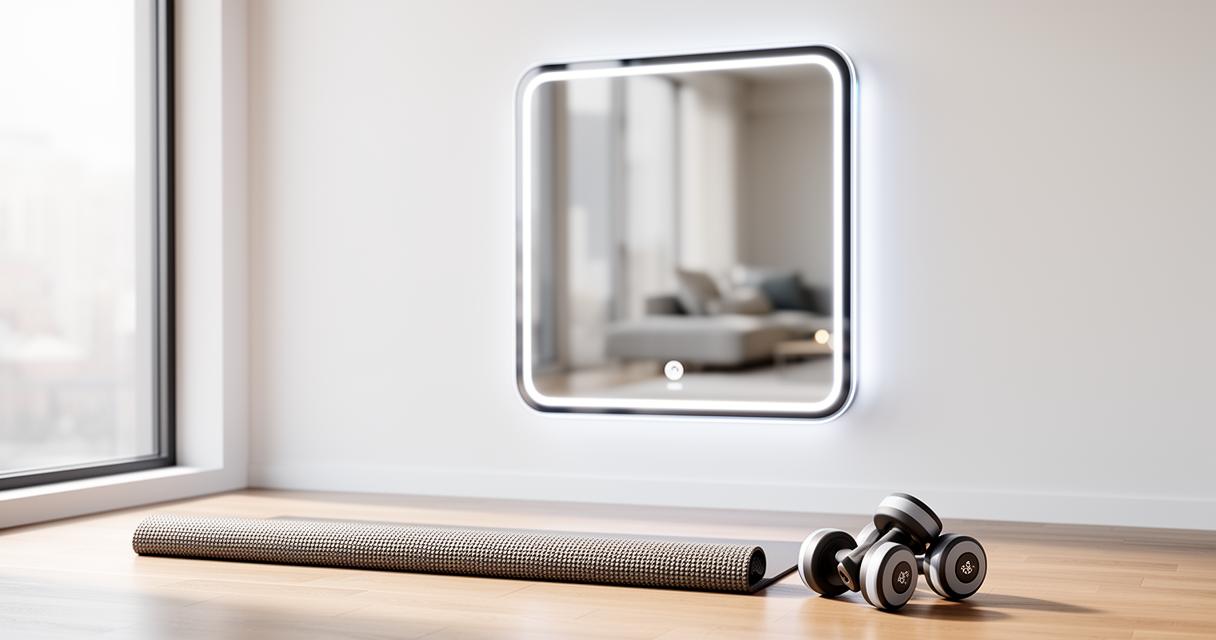
Smart home integration for seamless fitness routines
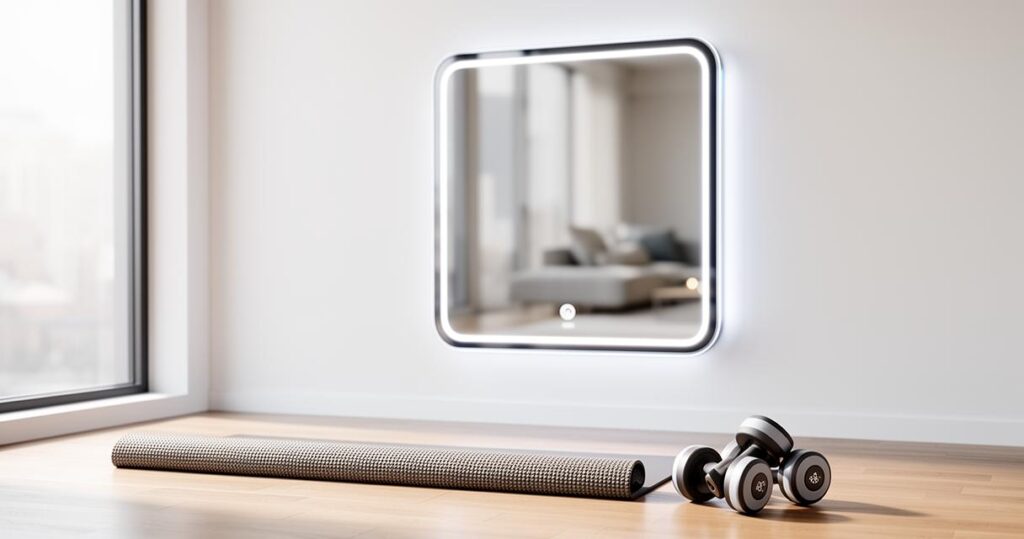
The concept of smart home integration extends beyond mere convenience; it represents a holistic approach to wellness technology. Connected devices within the home can now communicate with one another, creating a cohesive ecosystem that supports fitness and health monitoring. For example, a smart mirror might analyse your posture during a yoga session, while a connected scale tracks your weight and body composition, feeding this information into a centralised app that provides comprehensive insights into your health trends. Recovery technologies such as compression therapy, red light therapy, and even infrared saunas can be integrated into this ecosystem, allowing users to optimise their recovery and overall well-being. Biohacking tools, including cryotherapy chambers, are also gaining traction among those seeking advanced recovery solutions. These technologies, once reserved for elite athletes, are becoming increasingly accessible, enabling everyday users to adopt a more scientific and data-driven approach to their fitness routines.
Leading brands pioneering sustainable health tech innovations
As the demand for wellness technology continues to grow, leading brands are stepping up to set new standards in innovation, quality, and sustainability. Companies such as Apple, Philips, and Twelve South are at the forefront of this movement, developing products that not only deliver exceptional performance but also prioritise data security, user privacy, and environmental responsibility. The evolution of wellness technology has been driven by a combination of technological advancement and changing consumer expectations, with more individuals seeking devices that are not only functional but also align with their values. The integration of blockchain technology, for instance, is being explored as a means to enhance data security and ensure that personal health information remains private and protected. As the industry matures, the focus is shifting from merely providing data to delivering actionable insights that empower users to make informed decisions about their health and wellness.
Apple, Philips, and Twelve South: setting new standards in wellness technology
Apple has long been a leader in the wearable technology space, with its Apple Watch serving as a benchmark for what a fitness wearable can achieve. The device combines sophisticated biometric sensors with an intuitive user interface, making it accessible to both tech-savvy users and those new to fitness tracking. Philips, meanwhile, has made significant strides in medical wearables, developing devices that can monitor critical health parameters and detect irregularities with clinical-grade accuracy. Twelve South, known for its innovative accessories, has also entered the wellness technology space, offering products that enhance the overall user experience. These brands are not only pushing the boundaries of what is technologically possible but are also addressing key concerns such as data privacy and user engagement. The commitment to ensuring that wellness technology is both effective and secure is helping to build trust among consumers and drive wider adoption of these devices.
Perfect gift ideas for fitness enthusiasts embracing modern health solutions
For those seeking the perfect gift for fitness enthusiasts, high-tech gadgets represent an ideal choice. These devices appeal to a wide range of users, from casual exercisers to dedicated biohackers, offering something for everyone. Fitness wearables such as the Oura Ring or Whoop provide detailed insights into sleep and recovery, making them perfect for individuals focused on optimising their overall well-being. For those interested in more advanced recovery technologies, products such as cryotherapy chambers or infrared saunas offer a luxurious and effective way to enhance recovery. Mobile applications that integrate genetic testing and personalised health plans based on individual DNA are also gaining popularity, offering a truly customised approach to wellness. The accessibility of these technologies has been greatly improved, with many products now available at price points that cater to the average consumer. Social media and celebrity endorsements have further driven awareness, making wellness technology a mainstream phenomenon that continues to evolve and expand.
The future of wellness technology is undeniably bright, with ongoing advancements in artificial intelligence, biometric sensors, and smart fabrics promising to deliver even more integrated and personalised solutions. The development of needle-free glucose monitoring and AI-powered health forecasts represents just a glimpse of what is to come. As these technologies become more sophisticated, the challenge will be to ensure that they remain user-friendly, accessible, and secure. Addressing digital inequalities and overcoming adoption barriers will be crucial to ensuring that the benefits of wellness technology are available to all, not just a privileged few. With professional support from organisations such as the FIT Partnership and a continued focus on data security, the integration of wellness technology into everyday life is set to transform how we approach health and fitness in the years to come.