

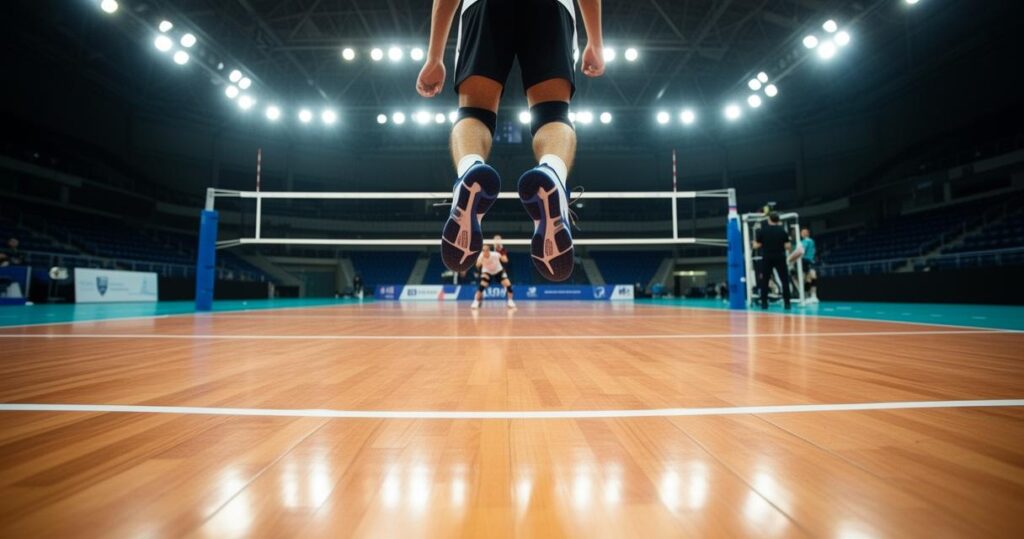
Selecting the right volleyball shoes can dramatically transform your experience on the court, and understanding what separates a good pair from a great one is essential for players at every level. With numerous brands vying for attention and a bewildering array of features to consider, the decision can feel overwhelming. However, one element consistently emerges as a game-changer: breathability. This often-overlooked characteristic plays a pivotal role in maintaining comfort, enhancing performance, and ensuring that your footwear supports rather than hinders your athletic ambitions during those intense indoor matches.
Understanding the Critical Role of Breathability in Volleyball Footwear
Breathability in volleyball shoes is not merely a luxury but a fundamental requirement for anyone serious about their game. During a typical match, players engage in explosive movements, rapid direction changes, and sustained periods of high-intensity activity that generate significant heat and moisture within the shoe. Without adequate ventilation, this moisture accumulates, creating an uncomfortable and potentially detrimental environment for the feet. The consequences extend beyond mere discomfort; trapped heat and dampness can lead to blisters, fungal infections, and a general decline in focus and performance as the match progresses.
How proper ventilation prevents moisture build-up during intensive matches
Proper ventilation in volleyball footwear works by allowing air to circulate freely around the foot, whisking away moisture before it can settle. Modern designs incorporate mesh panels, perforations, and strategically placed vents that facilitate this airflow without compromising structural integrity or support. Professional players can leap over three hundred metres vertically throughout a single match, and each of these explosive movements generates perspiration that must be managed effectively. When shoes fail to provide adequate ventilation, the resulting moisture not only affects comfort but also increases the risk of slippage inside the shoe, which can compromise balance and reaction times during critical moments on the court.
The science behind breathable materials and temperature regulation
The materials used in breathable volleyball shoes are engineered to balance air permeability with durability and support. Lightweight synthetic fabrics and mesh inserts are designed to wick moisture away from the skin whilst allowing heat to escape, maintaining a stable microclimate within the shoe. This temperature regulation is crucial because excessive heat can lead to fatigue and reduced performance over time. Research suggests that maintaining optimal foot temperature can delay muscle fatigue by as much as twenty minutes during repeated jumps and high-intensity rallies. Furthermore, breathable materials often weigh less than traditional construction methods, contributing to overall shoe lightness. A reduction of just ten grammes in shoe weight can increase jump height by up to half a centimetre, demonstrating how even marginal improvements in design can yield measurable performance benefits.
Comparing top volleyball shoe brands: performance testing and reviews
When it comes to choosing volleyball shoes, several brands have established themselves as leaders through consistent innovation and a deep understanding of the sport's demands. Mizuno, Asics, Adidas, Nike, and Puma each bring unique strengths to the table, and understanding their approaches can help players identify the best match for their individual needs and playing style. Performance testing and user reviews provide invaluable insights into how these shoes perform under real-world conditions, highlighting not only their strengths but also areas where they might fall short.
Mizuno and Asics: Japanese Engineering for Court Dominance
Mizuno and Asics are renowned for their meticulous attention to detail and commitment to creating footwear that excels in indoor court sports. Both brands draw on decades of experience and a philosophy rooted in precision engineering. Mizuno shoes often feature advanced cushioning systems that absorb impact without sacrificing responsiveness, making them ideal for players who rely on explosive jumps and quick lateral movements. Asics, meanwhile, is celebrated for its Gel technology, which provides exceptional shock absorption and stability. These Japanese brands understand the importance of fit and comfort, often offering models tailored to different foot shapes and sizes. Their designs prioritise durability, with many models capable of withstanding over five thousand abrasion cycles with less than three per cent wear, ensuring longevity even under the most demanding conditions.
Adidas, Nike, and Puma: European and American Innovation in Indoor Sports
Adidas, Nike, and Puma represent a different approach, blending cutting-edge technology with bold aesthetics and a focus on versatility. Nike's offerings, such as the HyperSet 2, KD 18, and LeBron 21, showcase the brand's commitment to innovation in cushioning and traction. These models often incorporate responsive foam technologies and herringbone traction patterns that provide a friction coefficient within the optimal range, ensuring reliable grip during rapid direction changes. Adidas brings its signature Boost and Bounce cushioning systems to the court, delivering energy return rates that can reach up to seventy-five per cent, helping players maintain power and explosiveness throughout a match. Puma's All-Pro Nitro and other recent releases highlight the brand's ability to combine lightweight construction with robust support, appealing to players who value speed without compromising stability. Each of these brands offers models priced between one hundred and thirty to two hundred and fifty pounds, reflecting the high-performance materials and technologies employed.
Essential features to prioritise when selecting your indoor court shoes
Beyond breathability and brand reputation, several key features must be considered to ensure that your volleyball shoes meet the specific demands of the sport. Sizing, fit, cushioning, grip, and support are all critical factors that can influence both performance and injury prevention. Understanding how these elements interact and what to look for in each category will empower you to make an informed decision that aligns with your playing style and physical needs.
Sizing, Fit, and Comfort Considerations for Different Foot Shapes
Achieving the perfect fit is paramount in volleyball footwear, as even minor discrepancies can lead to discomfort and reduced performance. Players with wide feet, for instance, should seek models specifically designed to accommodate broader dimensions, ensuring that the shoe does not constrict the foot or cause pressure points. A well-fitted shoe should provide a snug yet comfortable embrace, with enough room in the toe box to allow for natural movement without excessive space that could lead to instability. Trying on shoes at the end of the day, when feet are slightly swollen, can help replicate the conditions experienced during a match. Additionally, considering the height of the shoe is important; low-top designs offer greater freedom of movement, whilst mid-top options provide additional ankle support, which can be beneficial for players prone to ankle injuries or those who prefer a more secure feel.
Cushioning, Grip, and Support Requirements for Volleyball-Specific Movements
Cushioning is a vital component of volleyball shoes, as it directly impacts comfort and the ability to absorb the repeated shocks associated with jumping and landing. Modern designs often feature multi-density midsoles with standard thicknesses of eighteen to twenty millimetres in the forefoot and twenty-two to twenty-five millimetres in the heel, providing a balance between protection and court feel. The choice of cushioning material also matters; technologies such as Qu!kCQTECH midsoles and carbon fibre plates like Qu!kBONE can enhance energy return and reduce energy waste by up to fifteen per cent, allowing players to maintain their explosive power throughout a match. Grip, or traction, is equally crucial, as volleyball demands three to five direction changes per rally and requires a takeoff speed of just two-tenths of a second for effective blocking. Gum rubber outsoles are favoured for their ability to deliver a friction coefficient of approximately 0.55, ensuring reliable grip without excessive stickiness that could impede movement. Support, particularly in the midfoot and heel, helps stabilise the foot during lateral movements and landings, reducing the risk of injury and enhancing overall control. At-home performance tests, such as jump challenges and slide resistance checks, can help assess whether a shoe meets these standards, with quality models showing no signs of fatigue or tread loss even after rigorous testing. For players seeking a reliable option, the 361SPORT BIG3 5.0 Quick Pro in the Reverse colourway offers a compelling combination of Qu!kCQTECH midsole technology, excellent support, and vibrant aesthetics, all whilst maintaining a lightweight profile that supports optimal performance. Additionally, many retailers now offer sixty-day hassle-free return policies, providing peace of mind and the opportunity to test shoes in real-world conditions before committing fully. Whether you are a seasoned player or just beginning your volleyball journey, prioritising breathability alongside these essential features will ensure that your footwear enhances rather than limits your potential on the court.